My Links
My latest and greatest tips, resources, and reads. So much goodness all in one place!

https://techbigs.com/download?pid=16837&lid=266
For other uses, see Dark Lord (disambiguation).”Evil Overlord” redirects here. For the parody website, see Evil Overlord List.
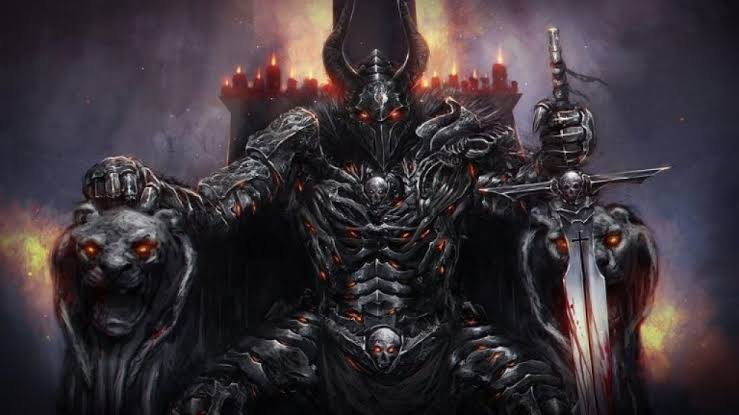
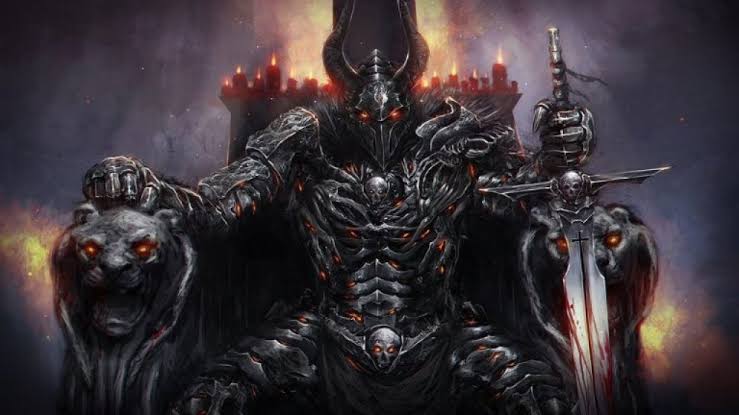
In literature and fiction, Dark Lord is an archetype for a particular form of primary antagonist. The archetype is typical of genre fantasy.[1] Dark lord figures are usually male and are characterized by aspirations to power and identification with a devil or antichrist.[1] The Encyclopedia of Fantasy notes that common themes of dark lord characters include being “already defeated but not destroyed eons before” and engaging in “wounding of the land” or other rituals of desecration.[1]

Depiction of the two Dark Lords Morgoth (left) and Sauron (right) in J. R. R. Tolkien‘s Middle-earth legendarium
Alberich, of the Ring cycle of Richard Wagner, is a prototypical dark lord.[1] Other notable dark lord figures in literature include Sauron (of Tolkien‘s Lord of the Rings) and Morgoth (of Tolkien’s The Silmarillion), Ineluki the Storm King of Tad Williams‘s Memory, Sorrow, and Thorn[1] and Lord Voldemort of Rowling’s Harry Potter series.[2] In film, Darth Vader and Emperor Palpatine of the Star Wars series are commonly referred to as Dark Lords of the Sith and Skeksis from The Dark Crystal are archetypes of evil overlords.[3]
Philip Pullman noted that the dark lord archetype in literature reflects the belief “that evil in the real world is usually embodied in a single person and requires a high position to be effective” and that this contrasts with Hannah Arendt‘s notion of the banality of evil.[4]
In Japanese media, this archetype of villainy are referred to as a “Demon King” (魔王, Maō).[citation needed]
 Dream$Gaming